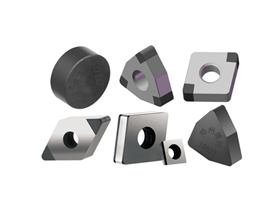
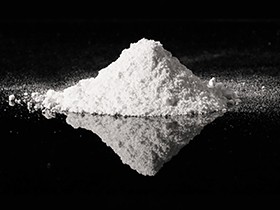
In the field of high-hardness material machining, CBN (cubic boron nitride) inserts have become a core tool for replacing grinding and improving efficiency.
However, in practical applications, companies commonly face a problem: why is there such a huge difference in performance among CBN inserts?
Some inserts can stably machine dozens of workpieces, while others frequently experience chipping; some companies achieve "turn instead of grind", while others cannot apply them stably.
So, what exactly determines the performance of CBN inserts? Berlt Tools discusses the factors influencing CBN insert performance, from material essence to application results.
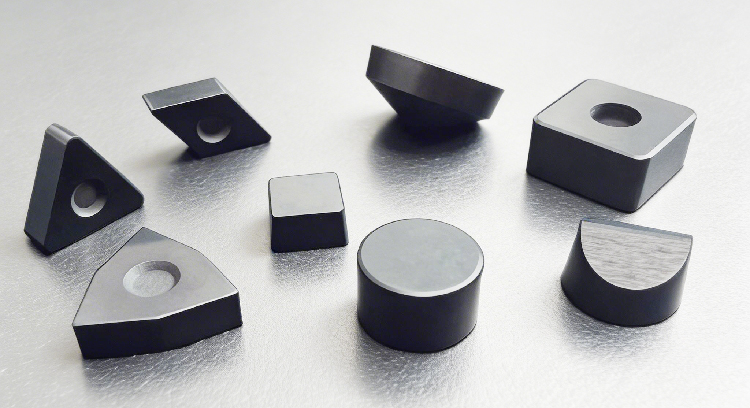
I. The performance of CBN inserts is essentially a combination of four systems
CBN insert performance is not determined by a single factor, but rather by the combined action of four systems:
1、Material System
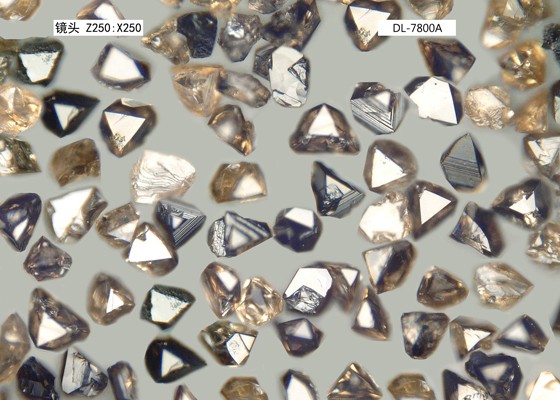
Key variables include: CBN content, grain size (coarse/fine), binder type (metal/ceramic).
It should be noted that higher CBN content ≠ better, fine grains ≠ more wear-resistant, ceramic binder ≠ necessarily superior to metal. Different combinations correspond to completely different application scenarios.
2、Process System
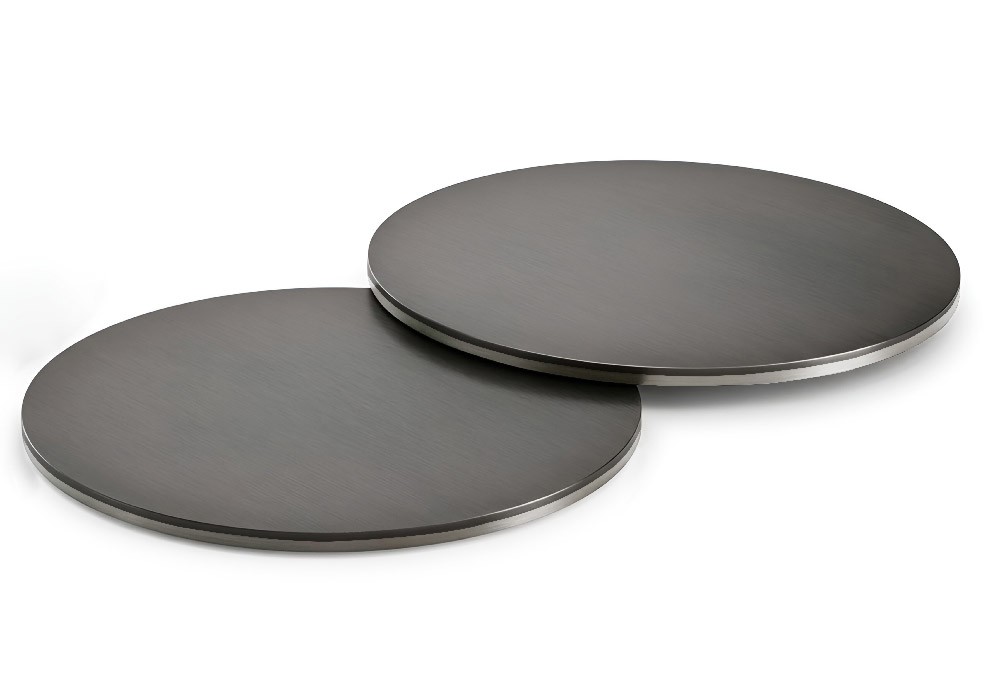
That is, PCBN sintering and manufacturing capability, including high-temperature high-pressure sintering control, microstructural uniformity, defect control (pores, cracks), etc. For CBN insert manufacturers, the key is not "whether they have CBN", but "whether they can produce CBN well".
3、Structural System
Including: nose radius, cutting edge preparation (chamfering, edge honing), cutting edge geometry, insert clamping method (hole clamping / recess clamping), etc. With the same material, different structures can result in lifespan differences of several times.
4、Application System
Including: workpiece material, cutting parameters, machine tool rigidity, clamping stability, and many other factors – each affects the final performance of CBN inserts. There is no "universally best CBN insert", only the "most matching solution".
II. Why "CBN content" is not the sole standard for determining performance
This is the most common misconception in the industry: Many users believe: higher CBN content → better CBN insert performance.
But in fact, that is not the case. Higher CBN content means greater wear resistance, but toughness is relatively reduced. In interrupted cutting or when machining hardened steel, high-CBN-content grades are more prone to chipping.
Therefore, CBN content does not directly equal performance "level". Choosing a CBN insert grade that matches the working conditions is the best approach.
III. Why are there significant differences in CBN inserts from different manufacturers
The core lies in three "invisible" capabilities:
1、Material capability: ability to ensure raw material stability, purity, and consistency.
2、Process control capability: ability to achieve stable mass production, not just laboratory-level results.
3、Application understanding capability: whether the manufacturer truly understands the customer's working conditions and selects matching solutions accordingly.
IV. How to truly improve the application effectiveness of CBN tools
From a practical perspective, Berlt CBN Inserts recommends that customers focus on three aspects:
· Select the right material
· Optimize the structure
· Match the parameters
The application performance of CBN inserts is never a single indicator, but an accumulation of multiple aspects. As a manufacturer covering the entire CBN industrial chain, Zhengzhou Berlt focuses not just on "providing tools", but on delivering stable, repeatable machining solutions to customers – this is the true value of CBN inserts.